When Can I Start Exercising Again After Cataract Surgery?

The day after cataract surgery, many patients wake up to colors that look brighter and edges that look sharper than they have in years. With that clearer vision comes a strong urge to get back to the gym, the golf course, or the morning walking group.
The specialized cataract team at Lalin Eye hears this question all the time, and the answer is encouraging. Most people can start moving again within a day, then build back to their full routine over the next few weeks as the eye heals.
Keep reading to learn more about exercising after cataract surgery, including which activities are safe at each stage of healing and which warning signs mean it’s time to slow down and call your eye doctor.
Why Your Eye Needs Time Before You Work Out

Cataract surgery is a quick outpatient procedure, but your eye still needs time to heal afterward.
Dr. Lalin removes the clouded natural lens through a tiny opening and places a clear artificial lens in its place. With bladeless laser cataract surgery, that opening is created with precise pulses of light and seals on its own without stitches. Even so, a self-sealing incision stays delicate for the first several days, and the tissues inside the eye need time to settle around the new lens.
Strenuous exercise can interfere with that healing in a few ways. Heavy straining and bending temporarily raise the pressure inside your eye, which puts stress on the incision. Sweat can run into the eye and carry bacteria with it, and wiping a sweaty brow can irritate the surface of a healing eye.
Most of the discomfort patients feel during recovery from cataract surgery fades within a few days, but the inside of the eye keeps healing for several weeks after it starts to feel normal.
A General Timeline for Returning to Exercise
Every eye heals at its own pace, so treat the timeline below as a general guide only. Before you start or increase any type of exercise, wait for clearance from Dr. Lalin or your eye doctor. Once you have that approval, the return to exercise for most patients who have cataract surgery at Lalin Eye follows a gradual progression:
Once you have that approval, the return to exercise for most patients who have cataract surgery at Lalin Eye follows a gradual progression:

- The first 24 to 48 hours: Rest comes first. Most patients can take short, easy walks around the house once they feel steady on their feet, but follow the specific instructions you receive on the day of surgery.
- The first week: With your eye doctor’s approval, walking, gentle stretching, and light household tasks are generally safe. Keep your head above your waist and avoid anything that makes you strain or hold your breath.
- One to two weeks: If your eye looks healthy at your follow-up visit, Dr. Lalin may clear you for a stationary bike, light jogging, golf, or light weights.
- Four weeks and beyond: Swimming, heavier lifting, high-intensity classes, and most competitive sports usually return during this stage, but only after Dr. Lalin confirms the eye has healed and gives you the go-ahead.
Walking is the easiest way to stay active in the early days. It gets your blood flowing, lifts your mood, and puts almost no strain on the eye. Patients often find that a daily walk makes the slower stretch of recovery much easier to tolerate.
When you are cleared to add your activities back, increase the intensity in small steps. A light jog before a hard run, or a few lighter sets before your usual weights, lets you see how your eye responds. If your vision blurs or your eye feels achy after a workout, scale back for a few days and mention it at your next appointment.
Activities That Call for Extra Caution
Some types of exercise carry more risk than others while the eye heals. These activities usually call for a longer wait or extra protection:
- Swimming and hot tubs: Pools, lakes, the ocean, and hot tubs can expose the eye to bacteria, so wait until your eye doctor clears you, which is usually at least a couple of weeks and sometimes longer.
- Bending and inversions: Yoga poses like downward dog, deep forward folds, and heavy deadlifts or squats put your head below your heart and raise eye pressure.
- Contact and racquet sports: Basketball, soccer, pickleball, and tennis carry a risk of a ball, elbow, or racquet striking the eye. Protective sports eyewear is a smart choice when you return.
- Dusty or windy outdoor activities: Trail biking, gardening, and yard work can blow debris into a healing eye, so wraparound glasses help keep it protected.
Warning Signs to Watch for as You Get Moving
Some symptoms are a normal part of healing. A gritty or scratchy feeling, mild light sensitivity, slightly blurry vision that improves day by day, and occasional watering are all common in the first week or two. Some patients also notice glare or halos around lights at night for a short time while the eye adjusts. These usually ease steadily and should not keep you from light activity.
Other symptoms need a same-day call to the office, especially if they appear after exercise. Call right away if you notice pain that gets worse instead of better, redness that keeps increasing, or a sudden drop in vision. A sudden shower of new floaters, flashes of light, or a shadow or curtain moving across your vision can signal a retinal detachment, which is uncommon after cataract surgery but needs prompt treatment.
Your Recovery Plan at Lalin Eye
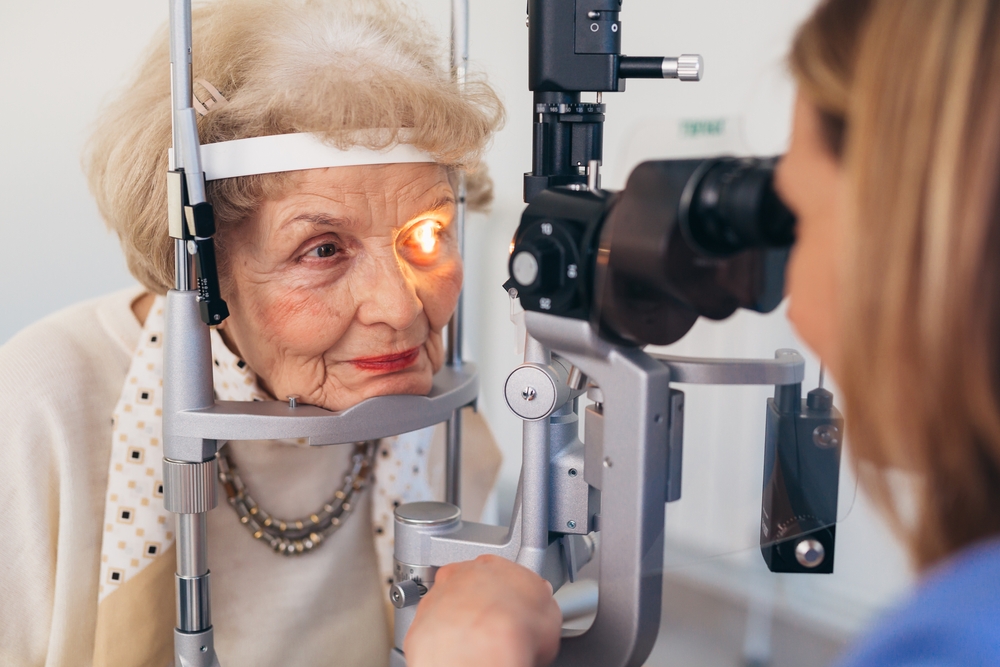
Dr. Sean Lalin, a board-certified and fellowship-trained cataract and retina surgeon, reviews each patient’s activity goals at follow-up visits and adjusts the timeline based on how the eye is healing, any existing conditions such as glaucoma or retina disease, and the type of lens implanted.
Because every procedure takes place in our own ambulatory surgery center in Morristown, the same team that performs your surgery handles your follow-up care, so questions about exercise go straight to the people who know your eye best.
If staying active matters to you, add your workout routine to your list of questions to ask before cataract surgery so your recovery plan fits the way you live.
Eager to get back to your favorite activities after cataract surgery? Schedule an appointment at Lalin Eye in Morristown or Hackettstown, NJ.